Wardogs Explained, What to Expect From the Large-Scale War Shooter Before You Buy
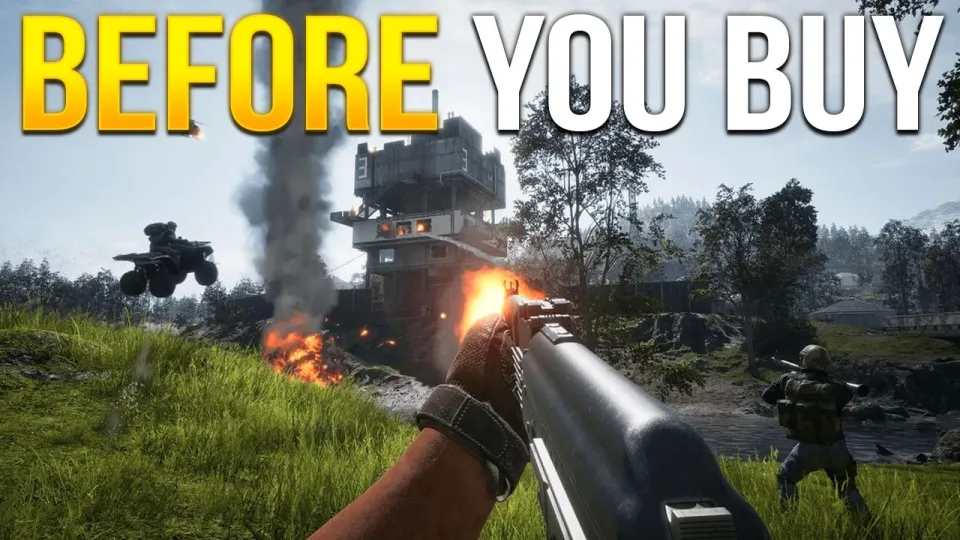
Video: Wardogs: EVERYTHING You Need to Know Before You Buy!
Want articles like this for your own video to promote it on YouTube and Google? Order them through the Telegram bot @sat_sit_bot. It writes articles around your video, embeds the video and publishes them on popular niche websites (no ads). Try it free: 50 articles on us.
· based on the channel Fallout Plays
Wardogs is a large-scale, combined-arms war shooter that puts server browsers, community servers and in-match economy ahead of automated matchmaking. If you are deciding whether to buy it, the short answer is this: pick it up if you want slower, more deliberate firefights with vehicles, logistics and real squad coordination, and skip it if you expect a fast, tightly balanced arena shooter. Fallout Plays has covered the game in detail in his pre-purchase breakdown, and you can join the FalloutFam community through this link to follow along with his streams and guides.
What kind of game Wardogs actually is
Wardogs is best described as a middle ground between a mil-sim and a mainstream battlefield shooter. It borrows the scale and the slower tempo of games like Arma and Hell Let Loose, but wraps them in a Battlefield-style HUD and a money system that rewards players for doing more than shooting. Matches are large, objectives are spread across wide maps, and the moment-to-moment combat is less about twitch reflexes and more about positioning, spotting and knowing when to push.
The vehicle layer is a major part of that identity. Tanks, transports and aircraft are not side content; they are how teams move, resupply and break stalemates. Players who enjoy driving and flying report that simply moving across the map can feel calm and methodical, which is a very different rhythm from the constant churn of a respawn-and-rush shooter.
Server browsers, community and why veterans care
The most consequential design choice in Wardogs is the return of the server browser. Instead of dropping you into an anonymous pool of players, the game lets you pick a server, learn its regulars and stick with it. For players who grew up with tools like GameSpy and The All-Seeing Eye, that is a nostalgic and welcome shift; for newer players, it means the social side of the game matters again.
In practice this changes how you should approach a session:
- Find two or three servers with healthy populations and reasonable ping, and treat them as your home base.
- Learn the admins' rules and the map rotation, because community servers often have their own conventions.
- Expect the quality of a match to depend heavily on who is online, not just on the matchmaking algorithm.
- If a server is empty or lopsided, switch rather than waiting for an automatic fix.
The trade-off is that server browsing puts more responsibility on you. You may need to watch player counts to join friends on the same side, and there is no guarantee that a queue system will move you across teams. That friction is real, but it is also what builds the regulars-and-rivals dynamic that matchmaking quietly erased from shooters.
The money system and how it shapes a match
The in-match economy is the second pillar of Wardogs. Earning currency during a match and spending it on equipment, vehicles or upgrades creates a risk-and-reward loop: reckless players run dry, while patient ones can bring heavier tools to a fight. Combined with the slower combat pace, this pushes teams toward planning rather than constant aggression.
Because the economy is tied to performance and objectives, support roles matter. Transporting supplies, holding a capture point or keeping a vehicle alive can be as valuable as a high kill count. New players should resist the urge to spend everything immediately and instead watch how experienced squads pace their purchases across a match.
Controls, solo play and the honest downsides
Wardogs handles input switching unusually well. Players report that moving between a controller and keyboard and mouse is seamless, including flying and driving with a pad, and that push-to-talk on a keyboard does not interfere with controller input. Controller users do lose some speed on menu-heavy actions, but the option is genuinely viable rather than a token gesture.
Solo play is possible and can be enjoyable, especially if you like vehicles and logistics, but it is not where the game shines. The design rewards communication: squads that talk, mark targets and share transport tend to win. If you prefer to play alone and ignore voice chat, expect to spend more time on the periphery of fights.
The honest downsides are the familiar ones for this genre. Large maps mean downtime between engagements, the pace can feel slow if you are used to arena shooters, and the experience is only as good as the server population at the moment you log in. There is also no persistent, always-on war mode in the style of Foxhole; matches are session-based, even if the community around them is not.
Common questions from new players
A few themes come up again and again from people considering the game. One is whether it is closer to Arma or Battlefield: the answer is that it sits in between, with Battlefield's readability and Arma's tempo. Another is whether teamwork actually happens; on populated servers, players consistently describe genuine coordination, which is rarer than it should be in the genre.
Prospective buyers also ask about the social layer: can you switch sides to play with friends, and how much time do you spend fighting versus hanging out? Both depend on the server. Some sessions are dense with action, others are long stretches of driving, building and talking. If that sounds like a feature rather than a flaw, Wardogs is aimed at you.
Useful links from the breakdown
- FalloutFam subscription and community
- Fallout Plays on Patreon
- Shure SM7B microphone
- Blue boom arm
- Elgato Key Light
Verdict: who should buy Wardogs
Wardogs is a strong fit for players who miss server browsers, enjoy vehicles and economy systems, and want firefights that reward patience over reflexes. It is a weaker fit for anyone who wants instant action, tight matchmaking or a purely solo experience. The community response suggests the game is finding exactly the audience it was built for: veterans of large-scale shooters looking for something with more friction and more teamwork. For the full pre-purchase breakdown, including the details behind these systems, watch the Fallout Plays video, and subscribe through this link to catch the beginner's guide when it lands.
Key takeaways
- Wardogs is a large-scale combined-arms war shooter built around server browsers and community-run matches rather than automated matchmaking.
- Its combat pace sits between Arma's mil-sim realism and Battlefield's arcade accessibility, with a Battlefield-style HUD and an in-match money system.
- The game supports seamless switching between keyboard and mouse and controller, including flying and driving with a pad.
- Wardogs is designed to be playable solo, but teamwork on populated servers is the core of the experience.
- Fallout Plays covered the game in a pre-purchase breakdown and announced a separate beginner's guide.
Questions & answers
Is Wardogs more like Arma or Battlefield?
It sits between the two. Wardogs uses a Battlefield-style HUD and readable objectives, but its combat tempo, map scale and vehicle handling lean toward the slower, more deliberate feel of Arma and Hell Let Loose. Expect positioning and planning to matter more than reflexes.
Can you play Wardogs solo?
Yes, solo play is viable, particularly if you enjoy driving, flying or logistics work. However, the game is built around squad coordination, so solo players who avoid voice chat will spend more time away from the main fights and will have less influence on objectives.
Does Wardogs support controllers on PC?
Controller support is solid. Players report seamless switching between a controller and keyboard and mouse, including flying and driving with a pad, and push-to-talk on a keyboard does not disrupt controller input. Some menu actions are faster with a mouse, but the controller is a genuine option.
How does matchmaking work in Wardogs?
Wardogs favors server browsers over automated matchmaking. You choose a server, learn its regulars and its rules, and the quality of a match depends on who is online. Joining friends on the same side can require watching player counts, since there is no guaranteed auto-balance or queue swap.
Source: Wardogs: EVERYTHING You Need to Know Before You Buy! · Markdown version